What Factors Affect the Duration of Water Damage Restoration?
Several factors influence how long water damage restoration takes. These include the extent of the damage, the area affected, and the type of water involved—clean, grey, or black. Clean water, from sources like broken pipes, generally requires less time to address than grey or black water, which can contain harmful bacteria or chemicals. The quicker you respond to water damage, the less time restoration will take, as less damage will have occurred. Timing is crucial; starting the restoration process immediately can significantly reduce both the extent of damage and the cost involved. Another factor is the materials affected. Porous materials, like drywall and carpets, absorb water quickly and extensively, which can prolong drying times. Non-porous materials, such as metal or tile, may require less time to dry but can still suffer from water exposure if left untreated. Additionally, the size of the affected area plays a role; larger areas naturally take longer to dry and restore. Seasonal weather conditions in Franklin Lakes can also influence drying times, as humidity levels impact how quickly moisture evaporates. Finally, the availability of restoration professionals and equipment can affect the timeline. During peak seasons, such as after a major storm, there may be higher demand for services, potentially extending wait times for assistance.
How Does the Restoration Process Work?
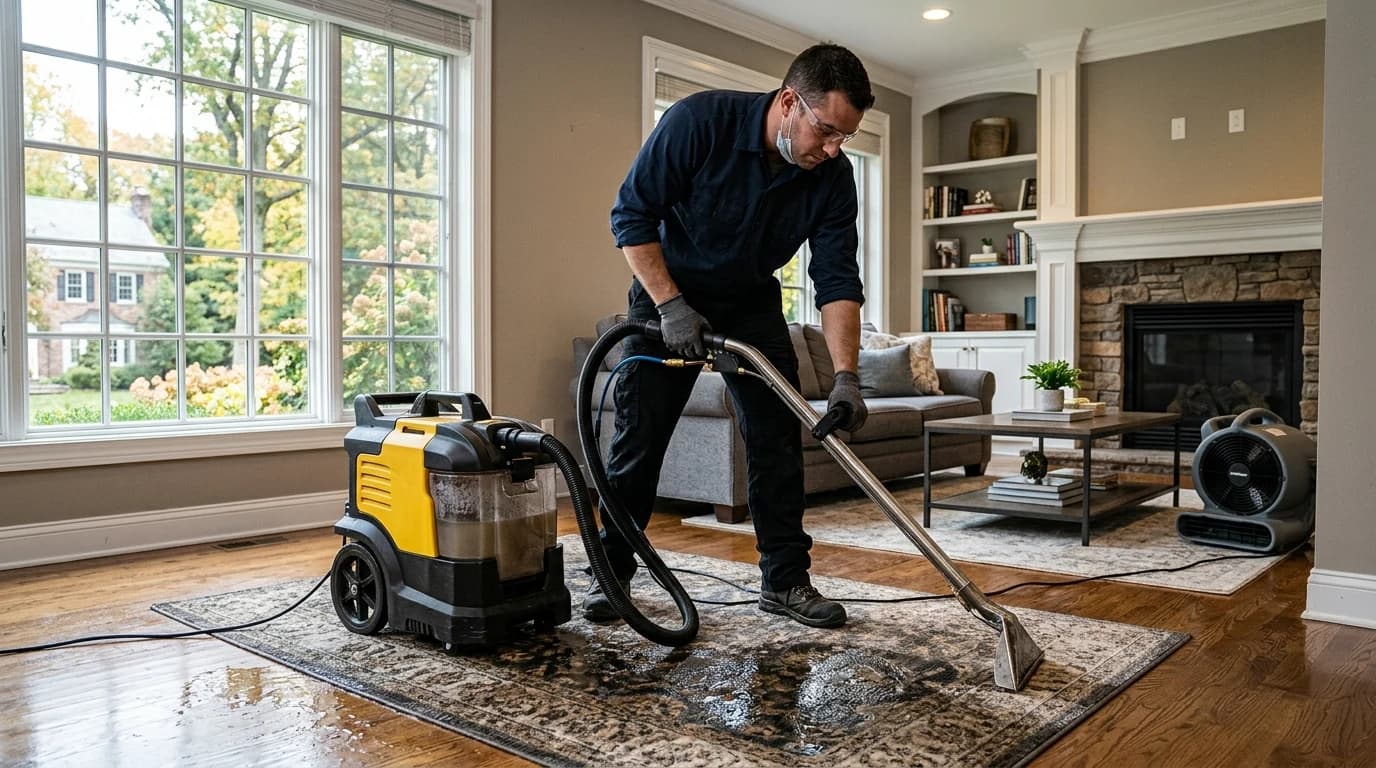
The restoration process typically begins with a thorough inspection and damage assessment. Professionals use advanced tools like moisture meters and infrared cameras to detect hidden water pockets and assess the full scope of the damage. This step is crucial to forming an effective restoration plan. Next, water extraction is performed using specialized equipment such as submersible pumps and industrial wet/dry vacuums to remove standing water quickly. This step is vital to prevent further water absorption and mold growth. Following extraction, the drying and dehumidification phase begins. High-speed air movers and industrial dehumidifiers are strategically placed to enhance air circulation and remove moisture from the air and affected materials. This process can take several days to ensure all moisture is thoroughly eradicated, preventing mold and structural damage. During this phase, consistent monitoring of moisture levels is essential to ensure that the drying process is proceeding effectively. Finally, cleaning and sanitizing occur before any necessary repairs or reconstruction. All affected items and surfaces are cleaned with specialized products to remove contaminants and odors. In cases of severe contamination, antimicrobial treatments may be applied to prevent future mold growth. Once the area is clean and dry, any structural repairs, such as drywall replacement or flooring installation, can be completed. For a detailed overview of our restoration services, visit our services page.

What Can Homeowners Do to Speed Up the Process?
Homeowners can expedite the restoration process by taking immediate action once water damage is detected. Start by removing undamaged belongings from the affected area to prevent further exposure and create space for professionals to work efficiently. This includes furniture, electronics, and any other valuables. Ensure proper ventilation by opening windows and doors to increase airflow, which can help speed up the drying process. Avoid using electrical appliances in the water-damaged area to prevent electrical hazards. If possible, use fans to help circulate air, but be cautious with electrical equipment near water. Documenting the damage with photos and videos can also be beneficial for insurance claims, helping to expedite the process. Additionally, maintaining communication with your insurance company can facilitate quicker approval for restoration work. Contacting a professional restoration company immediately is the best way to ensure a swift response and minimize damage. Professional teams have the expertise and equipment necessary to manage the situation efficiently, reducing the risk of secondary damage like mold growth. In Franklin Lakes, where seasonal weather changes can impact humidity levels, it's particularly important to act quickly and engage professionals who understand the local climate conditions.
Why Is Professional Assessment Crucial for Effective Restoration?
A professional assessment is a critical first step in the water damage restoration process. Certified experts have the training and tools necessary to accurately evaluate the extent of damage and identify potential risks that might not be immediately visible to the untrained eye. They use specialized equipment such as moisture meters and thermal imaging cameras to detect hidden water pockets and assess moisture levels throughout the affected area. This detailed evaluation helps in creating a tailored restoration plan that addresses specific needs and ensures that no aspect of the damage is overlooked. Moreover, professionals can identify the type of water involved—whether it's clean, grey, or black—which dictates the appropriate restoration methods and safety precautions. For instance, black water, which may contain harmful pathogens, requires more stringent cleaning and sanitizing procedures. An accurate assessment also aids in estimating the timeline and cost of the restoration process, providing homeowners with a clear understanding of what to expect. By involving professionals early on, homeowners can prevent further complications, such as mold growth or structural deterioration, that could arise from incomplete or improper restoration efforts. This proactive approach not only speeds up the recovery process but also ensures a safer environment for residents.
Understanding the Costs Involved in Water Damage Restoration
Understanding the costs associated with water damage restoration is essential for homeowners facing such an issue. The overall cost can vary significantly based on several factors, including the extent of the damage, the size of the affected area, and the type of water involved. Generally, clean water damage tends to be less expensive to address than grey or black water damage, which requires more extensive cleaning and sanitizing measures. Additionally, the materials affected play a role in determining costs. For example, replacing drywall or carpeting can be more costly than repairing non-porous surfaces like tile or metal. Homeowners should also consider the potential for additional expenses related to mold remediation if water damage is not addressed promptly. It's important to work with a reputable restoration company that provides transparent pricing and detailed estimates. They should be able to break down costs into categories such as water extraction, drying and dehumidification, cleaning and sanitizing, and any necessary repairs or reconstruction. Engaging with your insurance company early in the process can also help manage costs, as many policies cover water damage restoration under certain conditions. In NJ, where weather conditions can vary, understanding these cost factors can help homeowners budget effectively and ensure comprehensive restoration.
How Seasonal Weather Impacts Water Damage Restoration Timelines
The seasonal weather in regions like Franklin Lakes can significantly affect the timeline for water damage restoration. During the humid months, moisture in the air can slow down the drying process, making it crucial to employ additional dehumidifiers and air movers to combat the excess humidity. This can extend the restoration timeline as professionals need to ensure that all moisture is thoroughly removed to prevent mold growth. Conversely, in colder months, freezing temperatures can complicate the restoration process by causing pipes to freeze and burst, leading to more extensive water damage. In such cases, additional steps may be required to thaw pipes and prevent further damage, which can add to the overall timeline. It's also important to consider that weather events, such as heavy rainstorms or snowmelt, can increase the demand for restoration services, potentially leading to longer wait times for professional assistance. Homeowners can mitigate some of these seasonal impacts by taking preventative measures, such as insulating pipes in the winter and ensuring proper drainage around their homes to handle heavy rainfall. By understanding how seasonal weather affects water damage restoration, homeowners can better prepare and respond, ensuring a more efficient recovery process.
The Role of Technology in Modern Water Damage Restoration
Advancements in technology have revolutionized the water damage restoration industry, making the process more efficient and effective. Modern restoration companies now utilize state-of-the-art equipment to expedite the restoration process and ensure thorough results. For instance, infrared cameras are widely used to detect hidden moisture behind walls and under floors, which traditional methods might miss. This allows professionals to address all areas of concern, preventing future issues like mold growth. Additionally, high-capacity air movers and industrial dehumidifiers are employed to accelerate drying times, even in challenging conditions. These machines are designed to handle large volumes of air and moisture, making them indispensable in large-scale restoration projects. Technology also plays a crucial role in monitoring the restoration process. Remote sensors can track moisture levels in real-time, providing data that helps technicians make informed decisions on adjusting equipment settings or extending drying times as needed. Moreover, digital documentation and reporting tools streamline the communication between restoration teams and insurance companies, ensuring a smoother claims process for homeowners. By leveraging these technological advancements, restoration professionals can deliver faster, more reliable results, ultimately minimizing disruption to homeowners' lives and reducing the risk of long-term damage.